Tracing the Impact of Emerging Payment Technologies on Transaction Speeds Across International Sports Wagering Networks
Henrik Franke · Sep 27, 2026
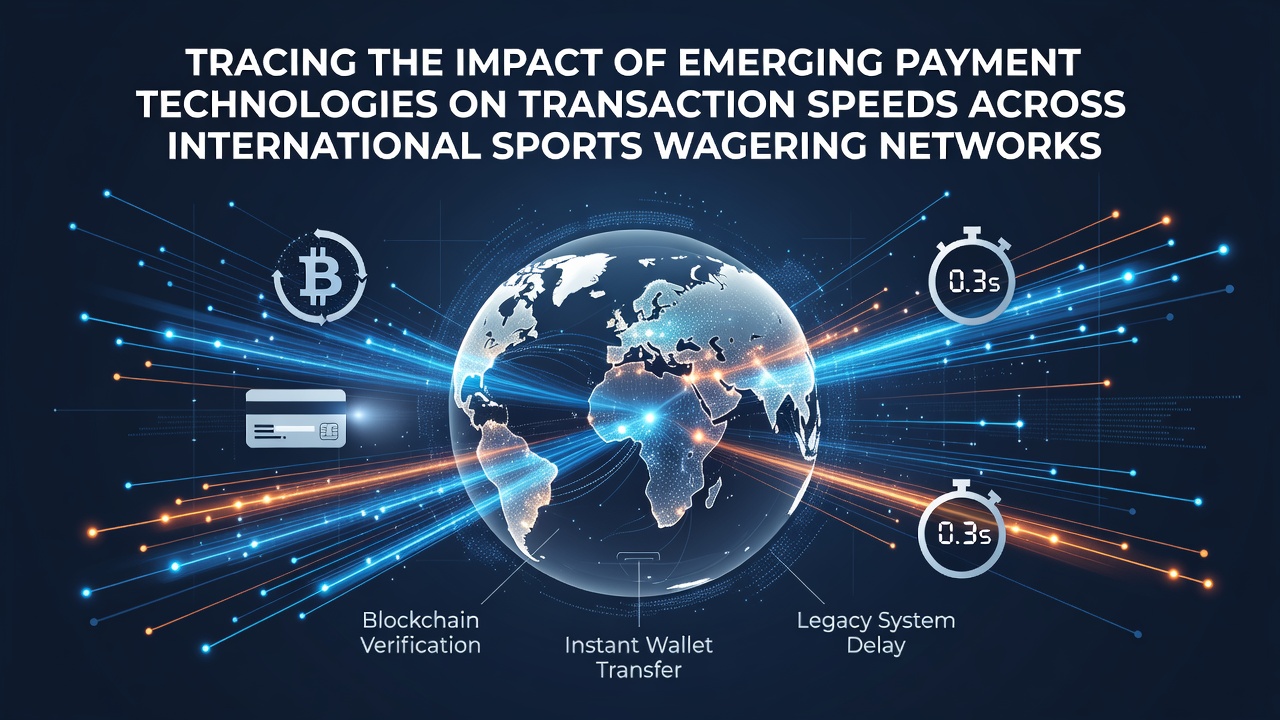
Payment technologies such as blockchain ledgers, instant bank transfers, and digital wallet integrations have altered transaction processing times within international sports wagering networks, and data from industry reports shows reductions from several minutes down to under ten seconds in many cases. Observers note that these systems rely on real-time verification protocols which connect directly to banking infrastructures across borders, allowing wagers placed from one continent to settle on another without traditional delays. Research indicates that adoption rates climbed steadily through 2025 and into September 2026, when multiple operators reported further integration of stablecoin options that bypass intermediary clearing houses entirely.Core Technologies Driving Change
Blockchain-based payment rails stand out because they distribute verification across nodes rather than relying on single centralized servers, and this structure cuts confirmation times dramatically while maintaining audit trails required by regulators. Digital wallets linked to local banking apps enable users to fund accounts through QR codes or push notifications, and figures from network operators reveal average deposit speeds dropping to three seconds or less in supported regions. Instant payment schemes like those modeled on the European Union’s SEPA Instant Credit Transfer framework have expanded into wagering platforms, connecting European users to Asian and Australian markets with near-instant settlement.
Studies compiled by the European Gaming and Betting Association highlight measurable gains in cross-border flows, particularly when operators pair these tools with automated compliance checks that scan for regulatory flags before funds move. In parallel, several North American platforms adopted similar instant rails during 2026, and transaction logs show consistent completion rates above 98 percent within the first five seconds of initiation.
Regional Variations in Implementation
Asia-Pacific markets moved early on mobile-first wallet solutions, and operators there documented average transaction times falling from 45 seconds in 2023 to under eight seconds by mid-2026. European networks benefited from harmonized instant payment regulations that reduced friction between different national banking systems, while observers tracking Latin American platforms noted slower but steady progress tied to partnerships with local fintech providers. Data from the Australian Gambling Research Centre shows that wagering volumes processed through instant rails grew 34 percent year-over-year through September 2026, with the largest jumps occurring during major international tournaments.
North American jurisdictions introduced pilot programs linking state-regulated sportsbooks to real-time payment networks, and early results indicate settlement speeds now match those seen in European markets. These changes occurred alongside updated licensing requirements that mandate faster dispute resolution windows, creating additional pressure for operators to adopt the newest verification tools.
Security and Compliance Considerations
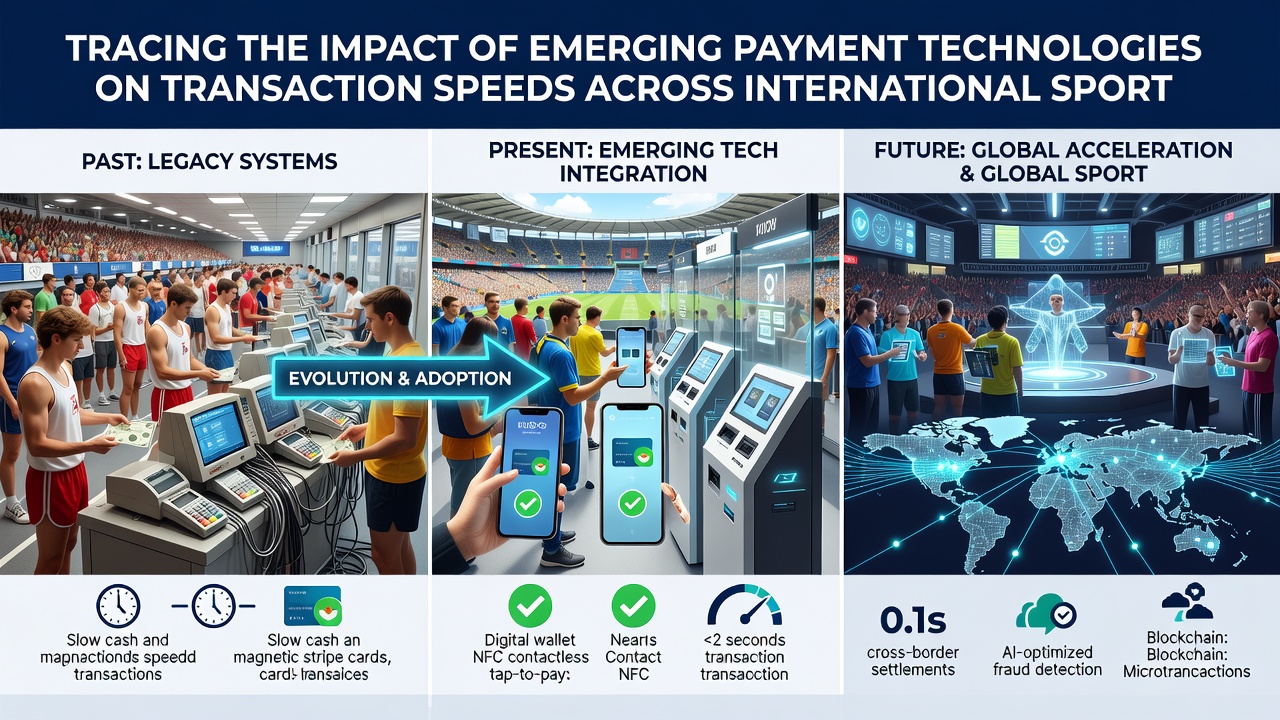
Speed gains have not come at the expense of verification standards, and platforms now embed multi-layer authentication within the same seconds-long window previously used only for basic processing. Regulators in multiple regions require real-time monitoring of high-value transfers, and the new payment rails accommodate these checks through automated risk scoring that runs concurrently with fund movement. Reports from industry associations indicate that fraud rates have remained stable or declined slightly in networks using these combined systems, because faster settlement reduces the window for chargeback manipulation.
One study tracking operator performance across three continents found that platforms using hybrid blockchain and instant banking solutions handled peak event traffic without measurable slowdowns, whereas legacy systems experienced delays exceeding two minutes during the same periods. Those findings align with transaction data shared among network providers that coordinate settlement across time zones.
Future Trajectory and Ongoing Adjustments
Additional layers such as programmable payments and cross-chain bridges are entering testing phases, and preliminary figures suggest further reductions in average processing time are possible once regulatory frameworks catch up. Operators continue to refine integration with local tax reporting systems, ensuring that speed improvements do not create gaps in audit requirements. In September 2026, several major networks announced expanded support for multi-currency wallets that automatically convert at the moment of transaction, and early user data shows these features maintain the sub-ten-second benchmarks already established.
Continued collaboration between payment providers, wagering platforms, and regulatory bodies appears essential for sustaining these gains, as each region brings distinct rules around data localization and consumer protection. The patterns emerging so far demonstrate that infrastructure upgrades, once implemented, deliver measurable and consistent improvements in transaction velocity across borders.